
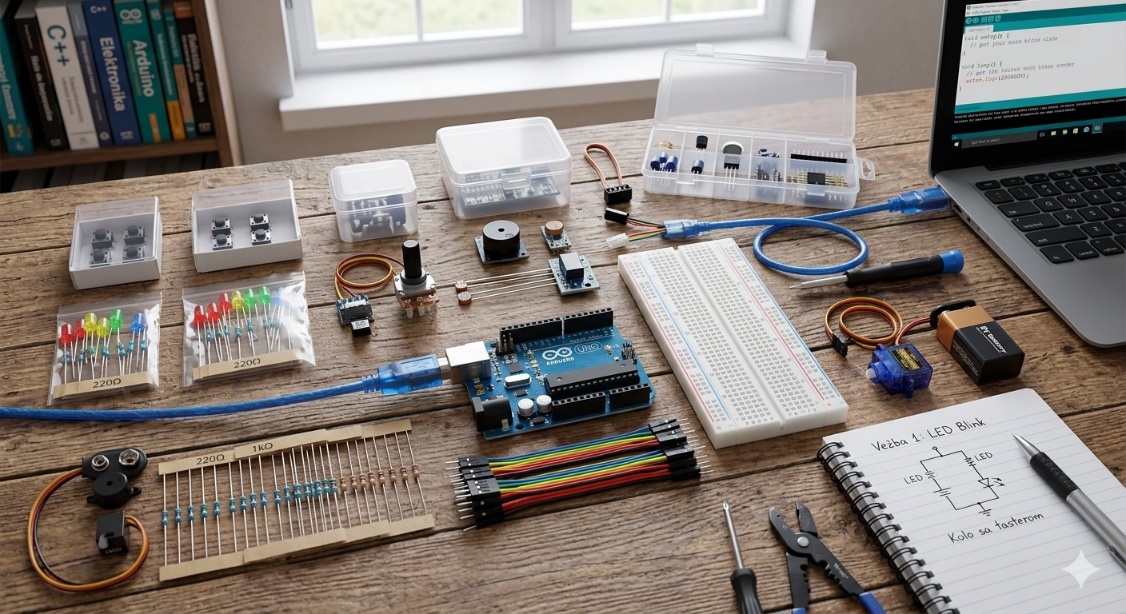
Teach hardware like it is cinema.
A high-school playbook for Arduino + Processing: five sensor projects, station plans, safety, and assessment — rebuilt from the Digital Challenge workshop document for professors who need to run the lab tomorrow.
Sensor → serial → screen.
Every lesson in this collection uses the same professional pattern. Students master it once, then reuse it from humidity graphs to radar sweeps.
Sense
DHT11, LDR, sonar, soil, or a resistor reports a physical value.
Compute
Arduino reads, scales, and prints a clean serial line at 9600 baud.
Visualize
Processing parses the line and draws bars, gauges, or a radar.
Act
Optional return channel: buttons and keys drive LEDs, servos, pumps.
Five projects. One year of STEM muscle.
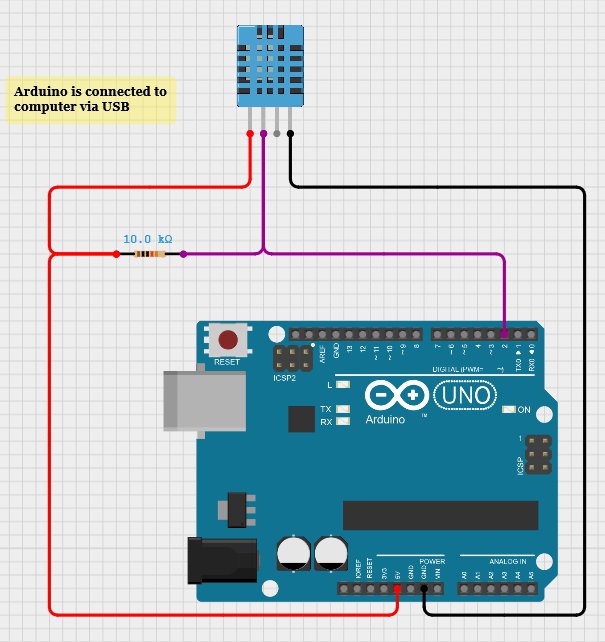
Temperature & humidity
2 × 45 min
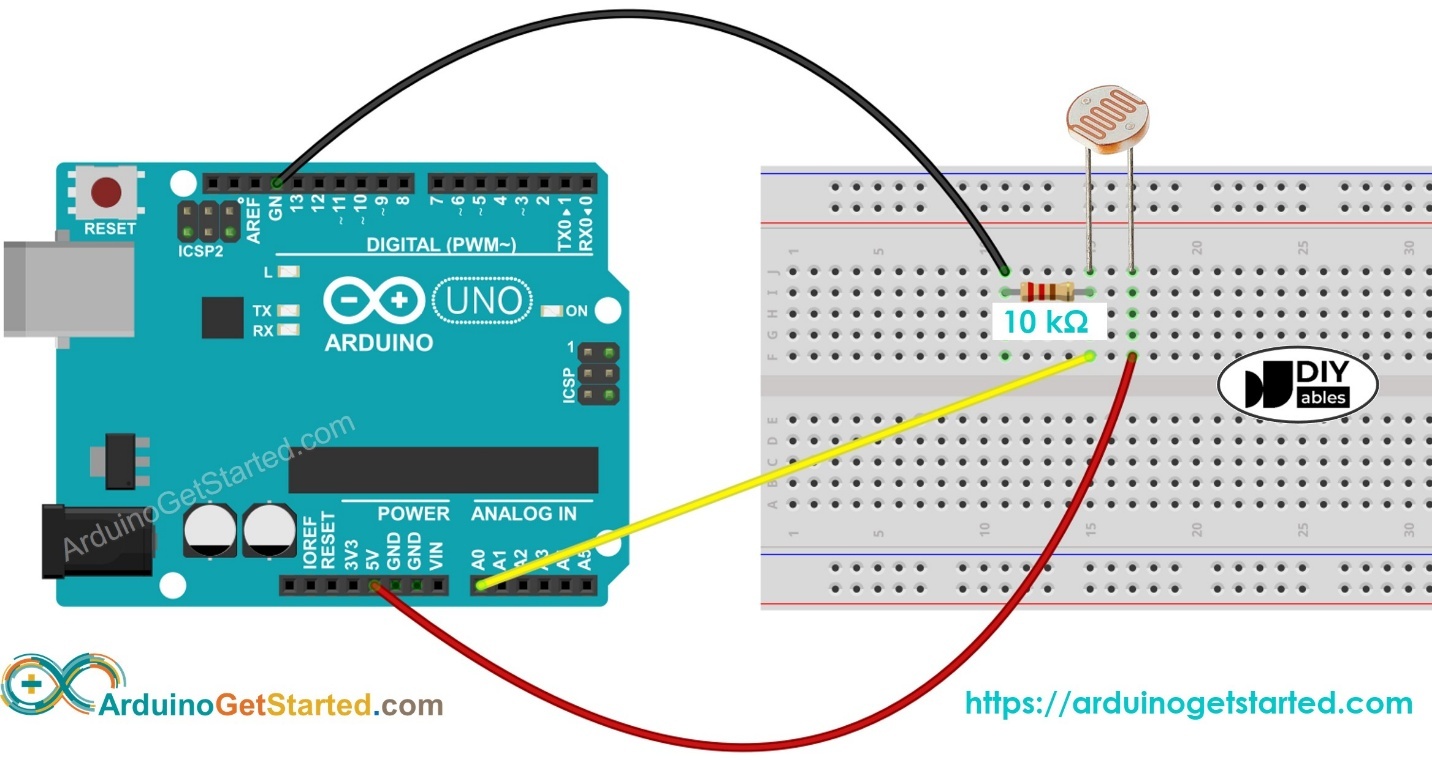
Light sensor
2 × 45 min
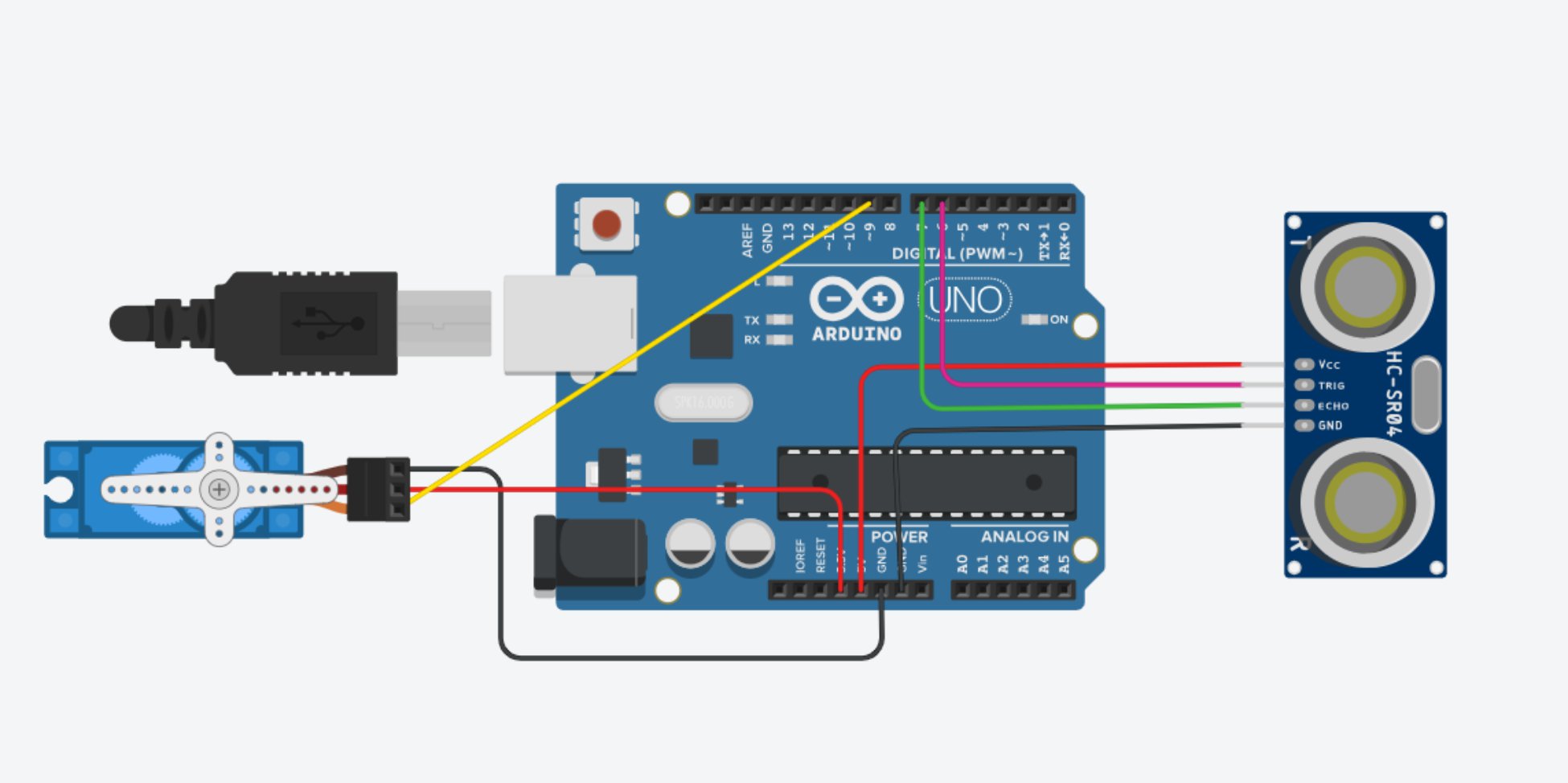
Sonar scanner
3 × 45 min
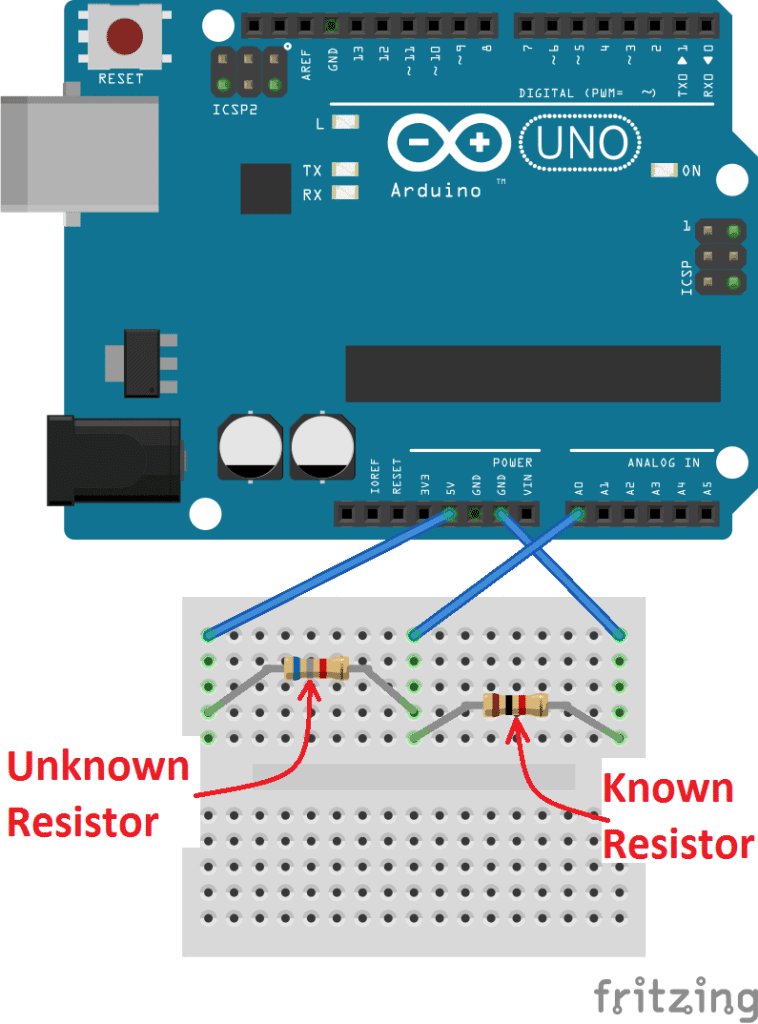
Ohm meter
2 × 45 min
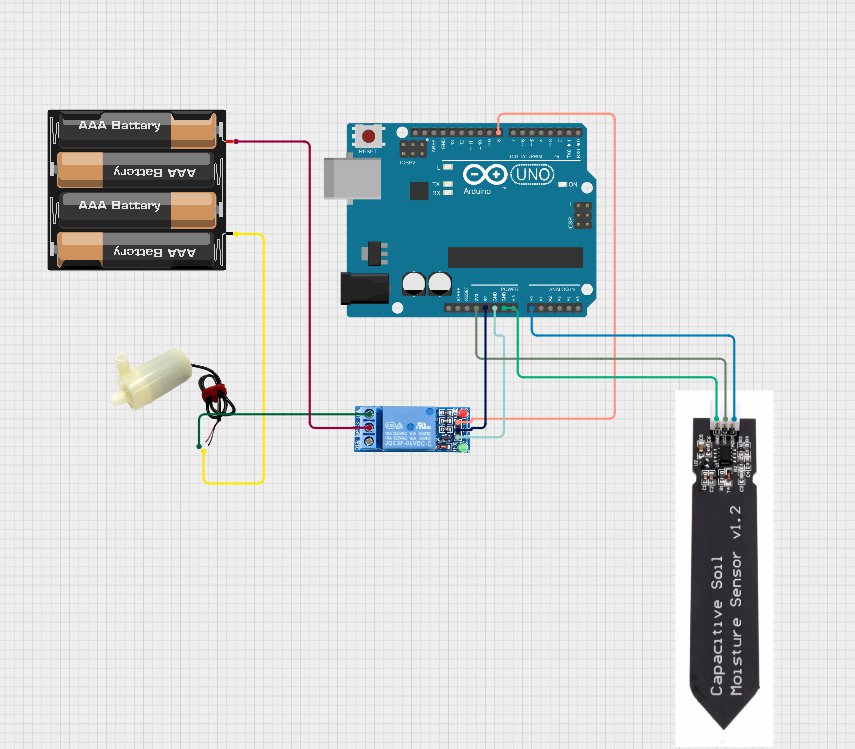
Automatic irrigation
3 × 45 min
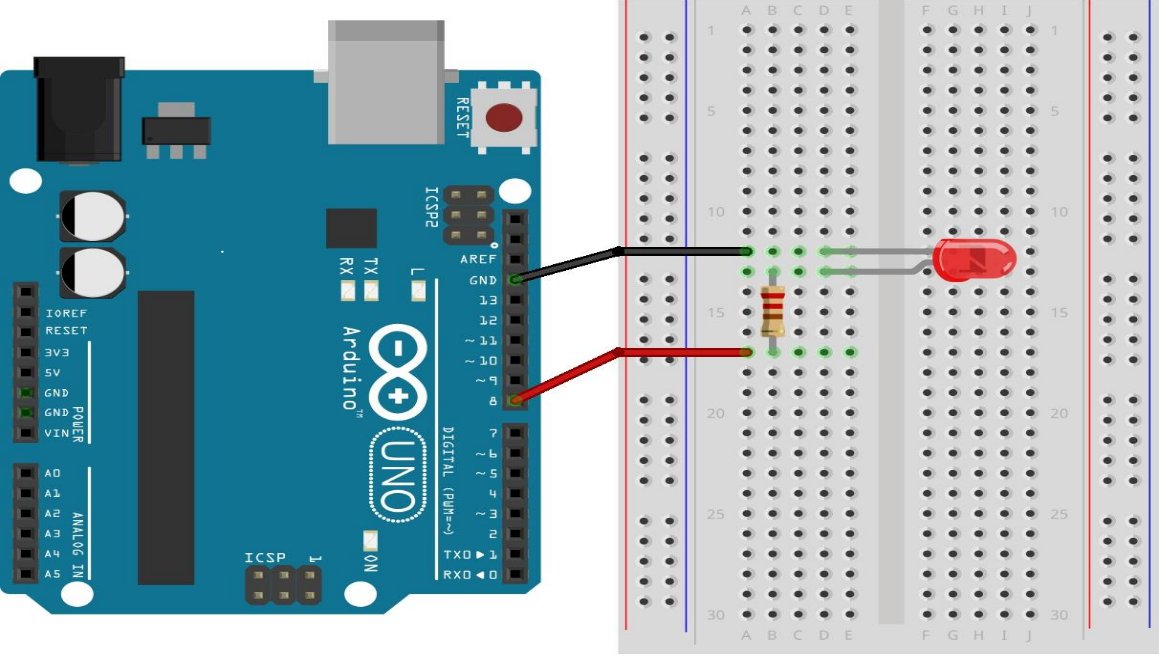
Hackathon days
Scored challenges under time pressure.
The PDF was a student tutorial. This is the teacher cut.
The original Digital Challenge document is rich — 87 pages of wiring, code, and DigComp mapping. High-school professors still had to invent pacing, station logistics, safety briefings, and what to do when half the class finishes early.
This site keeps every core exercise and every photograph from the source, then adds the classroom layer: 45- and 90-minute plans, a 16-period sequence, assessment rubrics, and differentiation for mixed-ability groups.
Read the playbookBuilt for the lab you actually have.
Pair stations
Two or three students share one Uno, one laptop, and one kit. Roles rotate: wirer, coder, logger.
Simulate first
Tinkercad or Cirkit Designer before copper. Saves boards, time, and tempers.
Close the monitor
Arduino Serial Monitor and Processing cannot share a COM port. Teach this on day one.